

Helpful Tips for Building a Great Retaining Wall on a Budget
Retaining walls are a practical and visually appealing way to enhance your yard, especially if your landscape includes slopes, drainage challenges, or the need for added definition. But for many homeowners in [Your City], the idea of building a retaining wall brings one major concern to mind—cost. While it’s true that retaining walls can be expensive, the good news is that there are plenty of ways to reduce the price without cutting corners on durability or curb appeal. Whether you’re using the wall to manage soil erosion, carve out usable outdoor space, or simply add structure to your yard, a budget-friendly solution is within reach. With careful planning and the right materials, you can build a retaining wall that’s both effective and affordable.
Choose Affordable Materials for Retaining Walls
Why are Some Materials More Expensive Than Others?
The cost of your retaining wall largely depends on the material you choose. Natural stone, while beautiful and long-lasting, is typically more expensive due to the labor-intensive quarrying, cutting, and transport involved. Timber can also get costly over time, especially if you factor in maintenance and the risk of rot or insect damage in wet climates.
Installation methods also affect cost. Dry-stacked walls, for instance, may require more time and precision during construction, while poured concrete options often involve professional labor and additional tools or equipment. These hidden factors can quickly add up, even if the materials themselves seem reasonably priced at first glance.
The Best Affordable Material for Your Retaining Walls
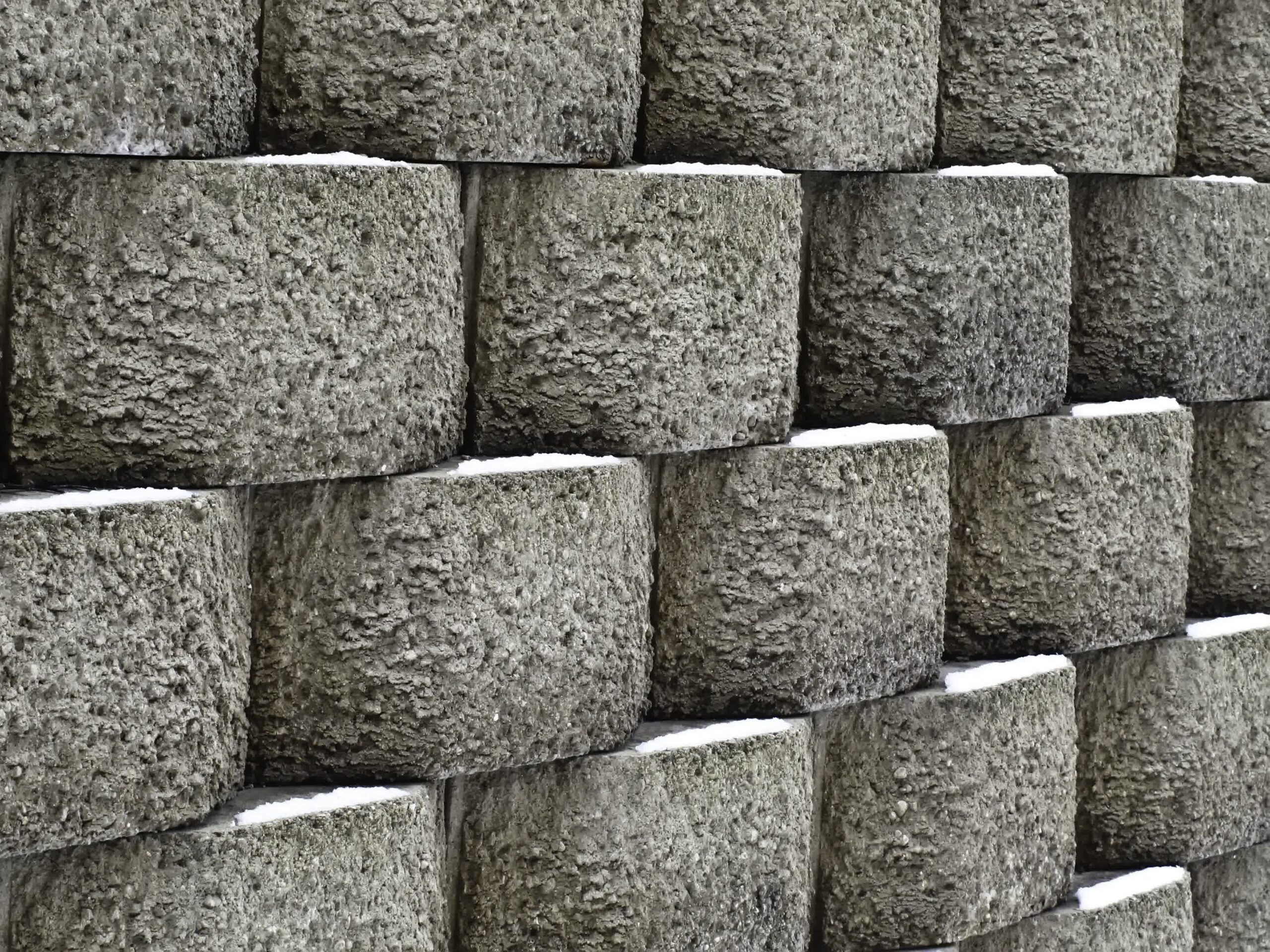
For homeowners looking to stretch their landscaping budget, concrete blocks and pavestone products offer the best balance between affordability, appearance, and performance. Precast concrete retaining wall blocks are widely available, easy to install, and engineered to lock together for long-term stability.
Pavestone walls, in particular, come in a range of styles and finishes that mimic the look of natural stone without the premium price tag. They’re a smart option for DIYers or those hiring a contractor to stay on budget. Plus, they require less upkeep over time than wood or mortar-based designs.
Consider How Big You Want Your Retaining Walls to Be
How the Size of Your Retaining Wall Impacts Your Yard’s Look
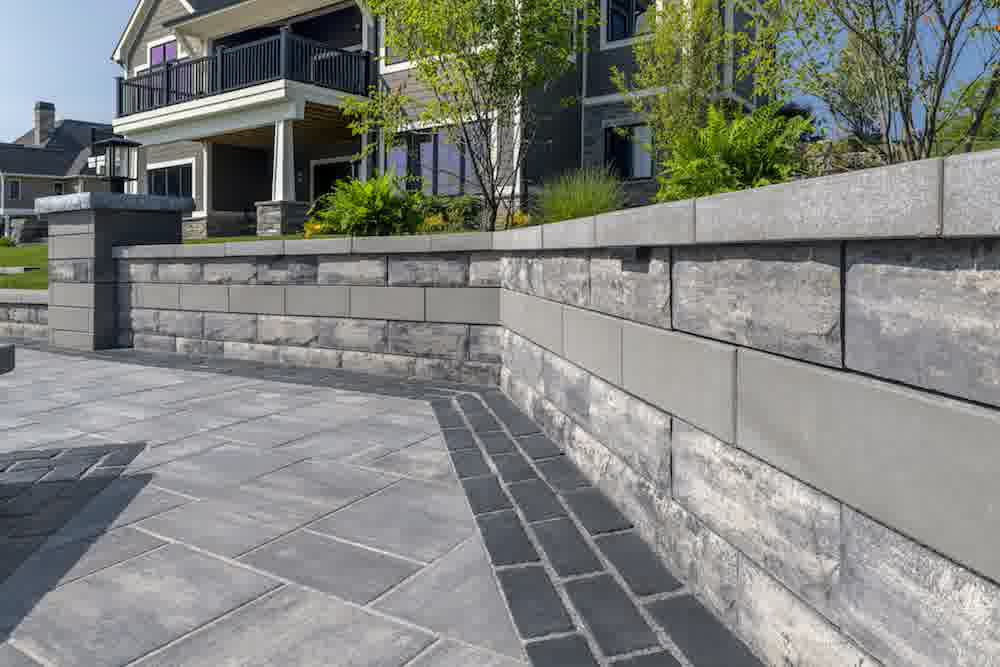
Retaining walls serve both functional and decorative roles, but size plays a huge part in how they influence your outdoor space. Taller walls provide dramatic elevation changes and help carve out flat zones in sloped yards, while smaller walls are perfect for garden edging or creating tiered landscape beds.
The size of your wall directly affects the amount of material and labor needed, which in turn influences the final cost. A shorter wall under four feet often doesn’t require professional engineering or permits, making it a smart option for homeowners trying to cut down on expenses. That said, the visual weight and balance of the wall should still fit naturally within your overall landscape design.
Consider How Your Retaining Wall and Soil Affect Each Other
When designing a retaining wall, it’s essential to think about more than just size and material—you also need to understand how your yard’s soil conditions will interact with the wall. Clay-heavy soils, for example, expand and contract with moisture levels, putting extra pressure on the back of the wall. Sandy soils drain well but may need additional reinforcement behind the wall to hold their shape.
Getting this part right can prevent major issues down the line. Reinforcing your wall with geo-grid fabric, using proper compaction methods, or adding gravel behind the wall for drainage can extend its life without adding significantly to the overall cost. Planning with your soil type in mind helps keep both your yard and your budget intact.
Factor in Other Additional Features For Retaining Walls
Build Your Retaining Walls with Longevity In Mind
A low-budget wall is still a long-term investment. Spending a little more now on thoughtful construction can prevent expensive repairs or rebuilds later. For example, using landscape adhesive between block layers can add structural integrity without requiring mortar or specialized skills. Reinforcement techniques like setback construction—where each layer of the wall is slightly recessed—help distribute weight more evenly.
It’s also smart to build on a solid foundation. Laying your first row of blocks on a level, compacted gravel base can prevent uneven settling and reduce cracking or leaning over time. These foundational steps are often overlooked in DIY projects, but they make all the difference in how well your retaining wall performs after a few seasons.
Best Drainage Options for Your Retaining Wall
Drainage is the unsung hero of any retaining wall build. Without a proper way for water to escape, hydrostatic pressure can build up behind the wall, causing bulges, cracks, or even collapse. Fortunately, installing an effective drainage system doesn’t have to break the bank.
Weeping tile, perforated drain pipes, or gravel backfill can move water away from the wall safely. These materials are relatively inexpensive and easy to install—even on a DIY project. Drainage fabric can also be used to separate soil from gravel while still allowing water to flow through. Factoring in this step from the beginning can save you from expensive issues in the future and extend your wall’s lifespan significantly.
Conclusion
Building a retaining wall doesn’t have to be expensive or complicated. With careful material selection, smart sizing, and a little attention to soil and drainage, homeowners in [Your City] can create a retaining wall that adds function and beauty without stretching the budget.
Whether you’re working with pavestone, concrete, or another budget-conscious material, the key is to think ahead. Make sure the design fits your yard, understand how the wall interacts with your landscape, and build it to last. Even with a limited budget, you can create something that not only solves grading problems but also elevates the look and usability of your outdoor space. Let’s solve your grading issues, and boost your outside living area starting today! Get in touch with us to learn more about our retaining wall services as well as our Landscaping, Patios & Mulch services.


"*" indicates required fields