

Paver Winter-Proofing in Granger IN | Before the Hard Freeze
Introduction: New outdoor work always looks its best right before winter tries to undo it. If you are in Granger, IN, and you just completed a new paver project, those first hard freezes can feel like a test you did not study for. The good news is you can put a few smart protections in place now so your pavers ride out December’s temperature swings and look just as sharp come spring.
Pavers For Better Landscaping: Prep Before The Hard Freeze
Hardscaping Choices That Protect Your Base
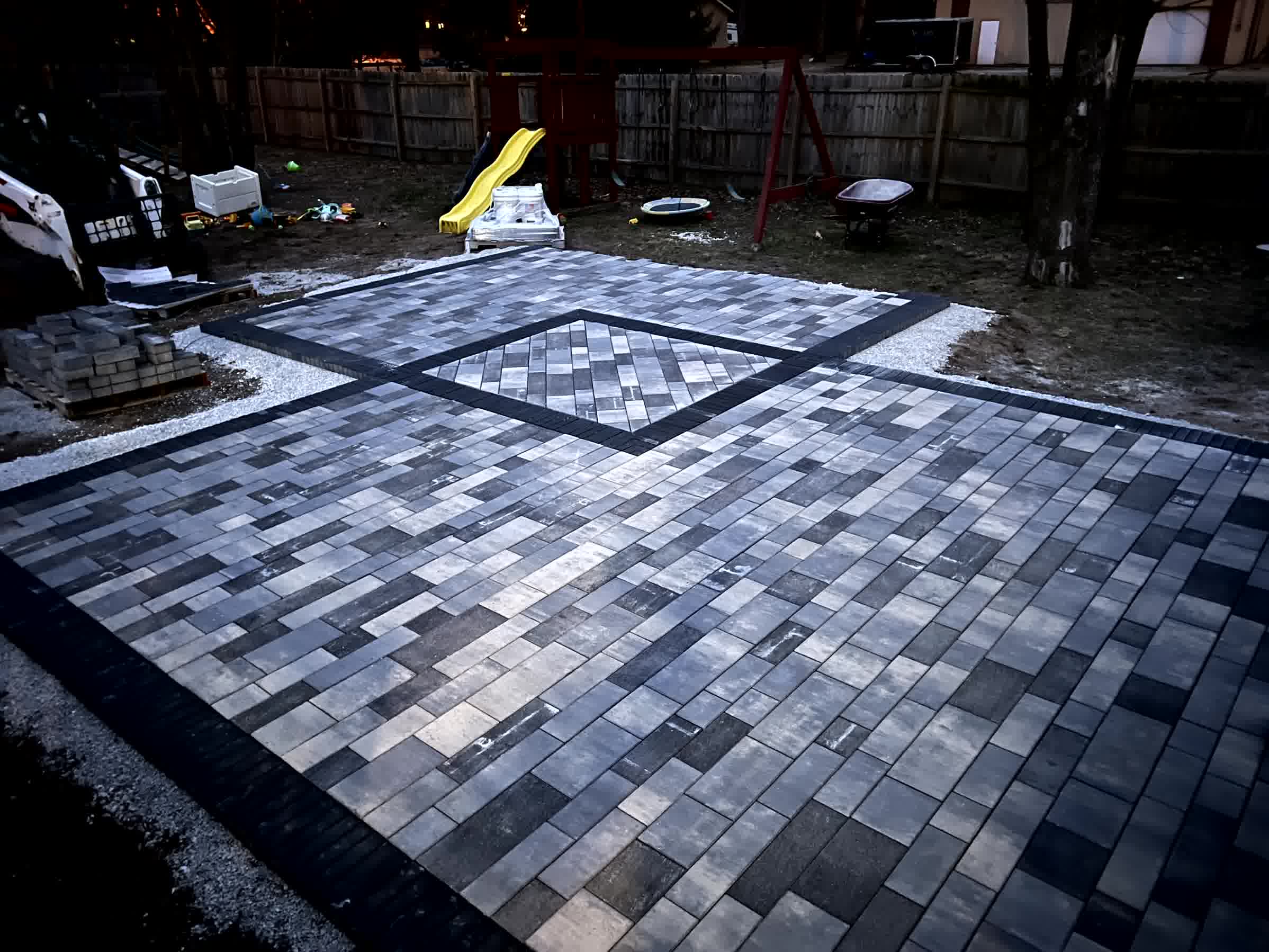
At the center of a durable paver surface lies the foundation. Freeze-thaw cycles expand and contract soil water, which can heave the surface. A dense, well-compacted open-graded base allows water to drain better, and this simple detail keeps joints tight and the surface level. A quick walk-through can help: look for low spots, soft areas, or puddles. A little top-up of joint sand, a tug on a loose edge restraint, or a touch of compaction on a suspect corner will save you a headache later.
Edge restraints are the unsung heroes of hardscaping because they keep the field of pavers from slowly spreading, especially as ice pushes at the borders. If edging is missing or flimsy, have it secured before the first hard freeze. You do not need to overthink it, but you do need a continuous, anchored barrier that hugs the layout. Pair that with a light refresh of polymeric sand in the joints, and your base will perform predictably, even as the surrounding ground shifts and stiffens in winter.
Patios That Drain Right When Temperatures Plunge
Where water goes is everything in the freezing winter. A paver patio with the correct pitch moves meltwater away from the house and off the surface before it can refreeze in place. If your patio is new, ensure the slope is consistent and that water does not pool. You can do a simple test on a mild afternoon with a bucket of water. Watch where it travels and where it stalls. If you spot a minor birdbath, it is better to address it in December than to let it freeze into an ice plate later.
Downspouts are another easily overlooked culprit. If meltwater shoots onto your patio and then freezes at night, you will get joint erosion and surface slicks that are hard on both the installation and your nerves. Redirect spouts with extensions that carry water past the hardscape, or consider a discreet channel drain if the grade demands it. These small reroutes keep moisture from accumulating between joints.
Pavers For Better Landscaping: Smart Winter Care
Hardscaping Maintenance For A Solid Surface
A brand-new paver surface does not want heavy-handed maintenance in its first winter; it wants gentle, consistent attention. Start by sweeping off leaves, grit, and leftover construction dust. Fine debris tends to accumulate in joints, where it retains moisture and promotes movement when it freezes. If you see any open joints after a few weeks of settling, add polymeric sand while temperatures are still above freezing.
Snow removal is when many hardscape elements are struck. Plastic shovel blades are kinder than metal on fresh pavers, and an adjustable snow blower skid height prevents the machine from scraping the face. Gentle passes, smart tool choices, and a watchful eye for the early signs of joint loss will keep the hardscaping locked together all season.
Patios, Snow, And Ice Practices That Prevent Damage
Not all ice control products are paver-friendly. Traditional rock salt can be abrasive to surfaces and to the sand between joints, especially when used frequently. Look for de-icers labeled as safe for concrete pavers, typically calcium magnesium acetate or magnesium chloride blends. Use them sparingly as spot treatments rather than blanket applications. The aim is traction and melt where you need it. A quick rinse on a warmer day helps clear any residue before it can crystallize back into the joints.
Foot traffic patterns tell you where to pay attention. If everyone steps off the stoop and cuts the same corner, that spot will see the most scraping, salt, and refreeze. Place a sturdy outdoor mat at transitions and consider a short path marker to guide foot traffic over the strongest part of the patio. Small nudges like that reduce wear on delicate edges and keep the main field looking crisp.
Paver Sealing, Sanding, and Edging for Long Life
Hardscaping Upgrades With Polymeric Sand And Edge Restraints
Joint stabilization is the quiet backbone of winter performance. Polymeric sand, when properly swept, compacted, and activated, bonds the joints so they shed water and resist washout. A light application before sustained cold can top off any joints that have settled slightly. Work in small sections, sweep diagonally, and keep the surface clean before misting. You want the binder in the joints, not dried into a film on the paver faces. That patience allows the joints to lock up, limiting the micro-movements that welling ice exploits.
Edge restraints deserve another look before the deep chill. Mechanical spikes can shift if the subgrade remains soft during installation, and correcting them becomes more difficult once the ground is fully compacted. Tug along the border to check for play and add fasteners where it feels bouncy. Tight edges keep patterns aligned and prevent slow creep, which shows up as gapped joints near the perimeter in spring. When the base is solid, the sand is cured, and the edges are anchored, the entire hardscaping system behaves like a single, well-fitted unit.
Patios Built For Longevity With The Right Sealers
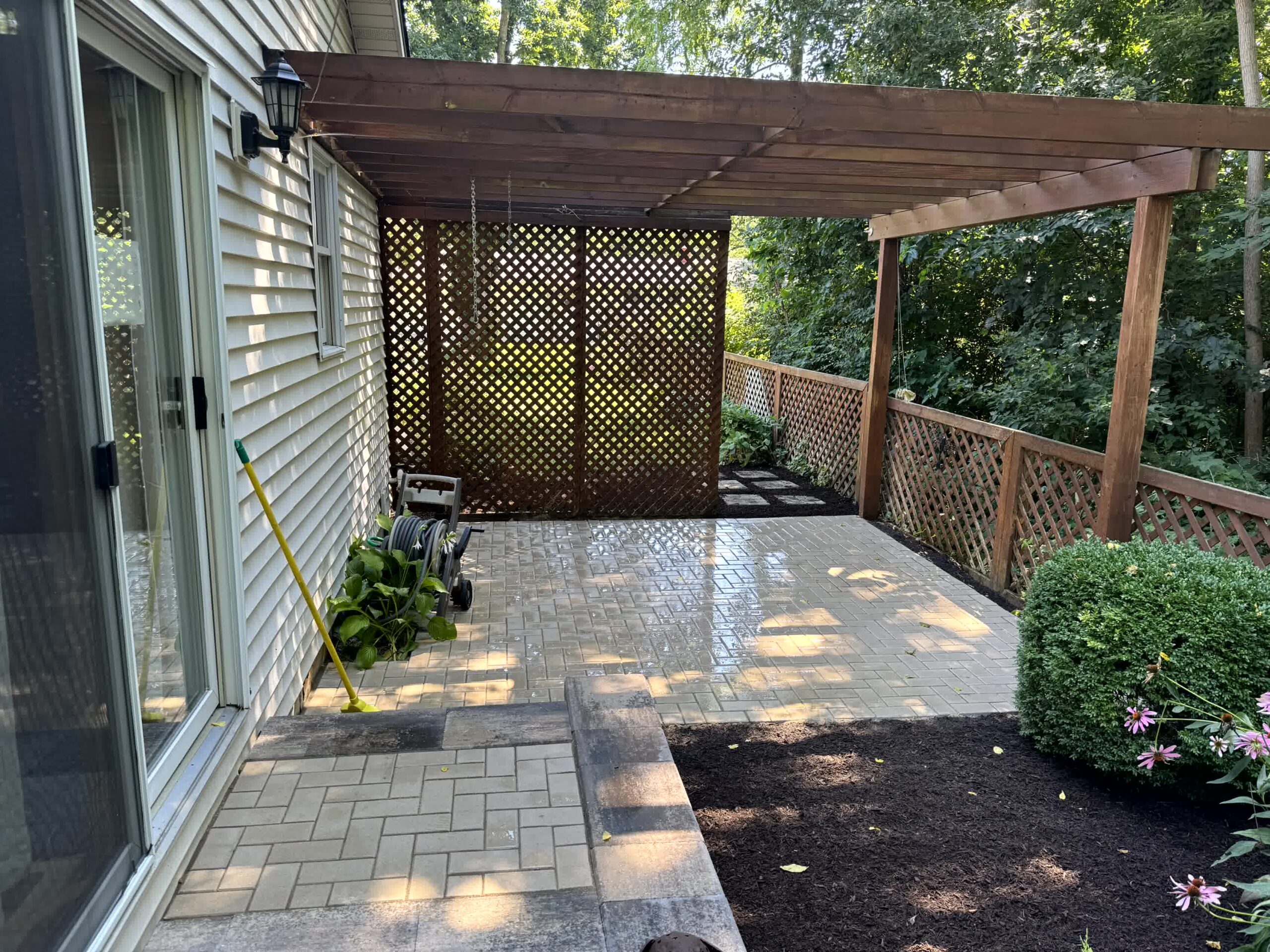
Sealing is not a cure-all, but the right breathable sealer can help new patios shrug off winter grime and reduce moisture absorption. The key is breathability. Trapped moisture beneath a non-breathable coating can expand during freezing, causing flaking or hazing. If your pavers are manufacturer-sealed or color-enhanced, follow the manufacturer’s guidance to avoid layering incompatible products. If you plan to seal, pick a clear, penetrating sealer designed for concrete pavers and schedule it for a day with mild temperatures and a dry forecast.
Timing matters. Many homeowners want to seal immediately after installation, and sometimes that is fine. Still, fresh surfaces can benefit from a brief seasoning period to allow the bedding layer and joints to settle fully. A light pre-winter seal can be helpful if the surface experiences heavy vehicle traffic or messy runoff. Still, it is also reasonable to wait until early spring for the first application. Either way, keep the patio swept, joints tight, and edges secure; these fundamentals do most of the heavy lifting.

Conclusion
If you like the look of your new pavers today, you will love them even more after they sail through the first hard freeze without drama. A little attention to drainage, joint sand, edging, and gentle winter habits keeps everything tight and tidy through December in Granger IN, and well into spring. If you would rather have a seasoned crew spot issues and handle the prep, Busy Lil Beavers is ready to provide practical, on-time service that respects your space and schedule. Reach out to schedule a quick winter checkup and get a simple plan in place to protect your investment. Contact us and let’s keep your patio strong, safe, and beautiful all winter.


"*" indicates required fields