

The Busy Homeowner’s Guide to a Masterful and Fast Mulching
For a layer of organic (or inorganic) material that typically consists of wood chips, shredded leaves, straw, or carpet, it sure packs a powerful punch for your landscape, lawn, and garden! Mulch is a great asset that helps retain moisture for soil, suppress weeds, and regulate soil temperature. This all culminates into improved soil health for your soil, which translates to happier, lusher plants. But mulching can be quite a chore. However, spring is prime time to begin mulching as your plants start to bloom and grow. Luckily, this article can help you out! You’ll learn expert techniques to help you mulch faster, as well as tips and tricks that will improve your semiannual mulching chore.
Use Efficient Mulching Tools to Apply Mulch Faster
Why You Should Invest in Mulching Tools
If you’ve ever spent hours hauling heavy bags of mulch across your yard, you know it’s no small feat. The good news is that investing in the right tools can make the entire job faster, easier, and much less physically demanding. Proper mulching tools give you the ability to spread materials evenly without damaging your plants or tiring yourself out too quickly. Having a few go-to tools on hand means you’ll get better results with half the effort, leaving you more time to enjoy your beautiful yard.
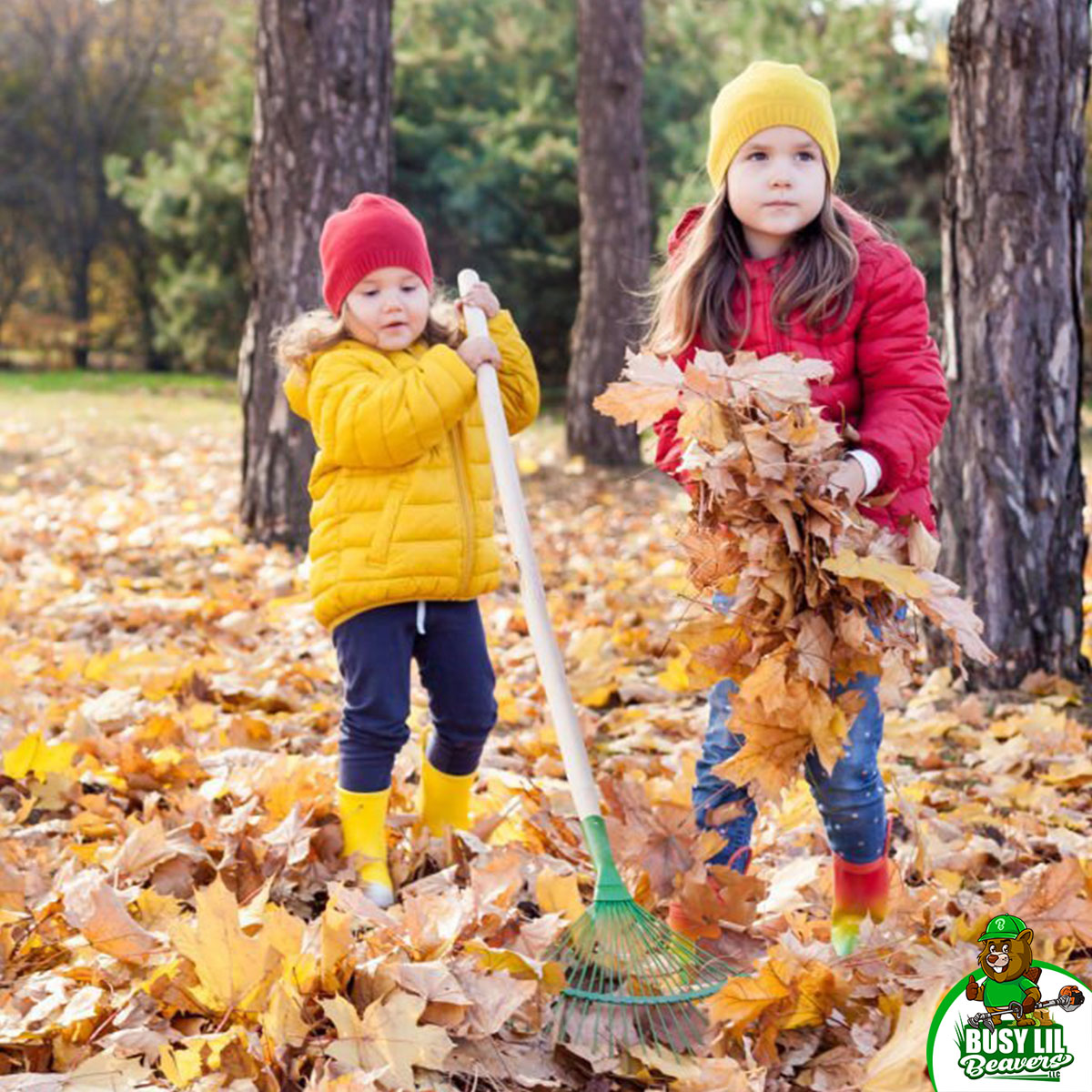
One tool that really shines during the mulching season is the leaf mulcher. If you’ve got a lot of leaves lying around, a leaf mulcher can turn all that debris into fine, nutrient-rich mulch that’s perfect for garden beds and tree rings. It’s a smart way to repurpose your yard waste while also saving money. Add in a few essentials, like a durable rake and a sturdy wheelbarrow, and you’ll have a full toolkit ready to make mulching one of the easiest tasks on your spring checklist!
What are the Best Kinds of Mulching Tools You Can Get?
When you start gathering your mulching supplies, it’s important to focus on tools that will actually make your life easier. A good quality mulch fork or pitchfork is perfect for moving larger volumes of mulch quickly without damaging the material’s texture. Mulch forks have widely spaced tines, which help scoop up mulch without clogging up like a traditional shovel would. It’s a small switch that can make a big difference in how fast you can work.
Another smart addition is a battery-powered spreader for anyone dealing with big yards or multiple garden beds. These spreaders can lay down a consistent layer of mulch without having to strain your arms and back. And don’t forget about smaller helpers too, like hand trowels and garden gloves. When combined with the efficiency of a leaf mulcher, your mulching process becomes streamlined and effective, helping you get back to enjoying your yard sooner.
Choose the Right Mulch and Apply it Properly
How to Choose the Right Mulch For Your Yard
Choosing the right mulch can feel overwhelming at first, especially with so many options available. The key is to think about your goals and your yard’s needs. Are you looking to improve moisture retention, control weeds, or simply add curb appeal? Understanding what you want to achieve will help narrow down your choices and lead you to the mulch that fits best with your landscape’s style and functionality. You should also consider your soil type, the amount of sun and shade your plants receive, and how much maintenance you want to commit to. Softer organic mulches like shredded bark are great for flower beds because they break down naturally and enrich the soil. If you’re mulching areas where appearance matters most, like the front of your house, you might lean toward decorative options that offer both beauty and protection.The Best Types of Mulch You Can Buy
Organic mulches are often the top choice for garden enthusiasts because they improve the soil over time. Shredded hardwood, pine bark, and composted leaves are fantastic for flower beds, vegetable gardens, and around trees. They provide that warm, earthy look and a natural way to protect your plants from heat and water loss. The added bonus is that as they decompose, they feed your soil with beneficial nutrients that keep your plants thriving. On the other hand, inorganic mulches like rubber mulch have their own unique advantages. Rubber mulch, made from recycled tires, is a great option for playgrounds, walkways, and high-traffic areas because it’s durable, doesn’t break down, and stays in place even after heavy rain. It won’t add nutrients to the soil as organic mulch does, but it’s incredibly low-maintenance and can create a neat, polished appearance that lasts for years without constant reapplication.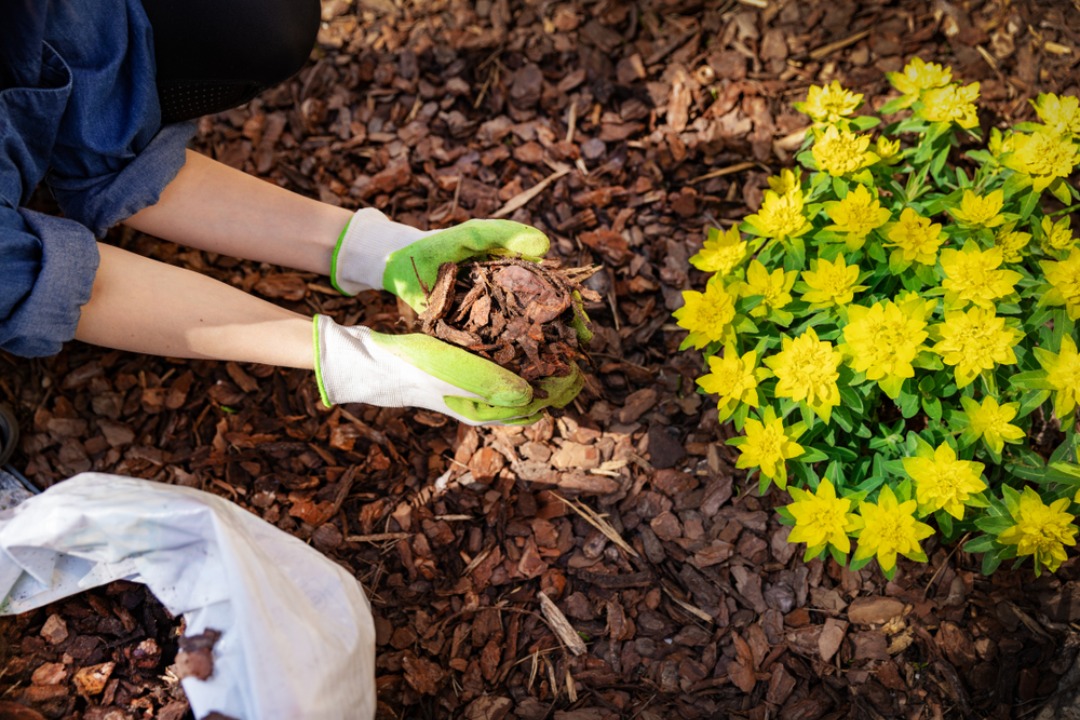
Prepare and Transport Your Mulch Efficiently
How to Properly Prepare Your Mulch
Preparation is often the step that gets skipped, but it can make or break your mulching project. Before you even open a mulch bag or load up your wheelbarrow, take time to clear your beds of any existing weeds, fallen branches, or leftover debris. A clean and smooth surface will help your mulch lay flat and look even, and it also stops pesky weeds from growing up underneath your new mulch layer.
If you’re using homemade mulch from a leaf mulcher, double-check that it’s properly aged and free of disease before you spread it around your garden. Applying fresh, unprocessed yard waste can invite pests or fungal diseases to take hold. Giving your mulch a quick sift with your hands will also help break up any clumps and create a lighter, fluffier texture that’s easier to spread evenly across your yard.
Best Mulch Transportation methods
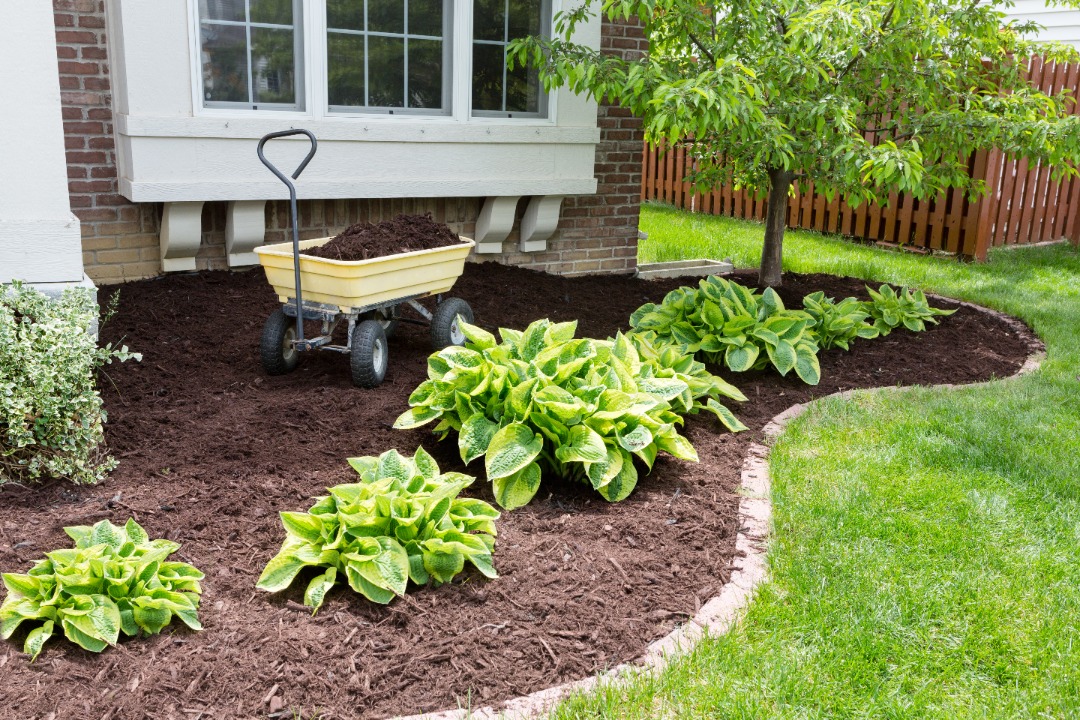
Once your mulch is ready, you need an efficient plan to move it from the pile to your planting beds without creating extra work for yourself. A strong wheelbarrow is one of the best tools you can have, especially if you’re covering large areas. It allows you to carry heavy loads with minimal effort and helps keep the job organized and clean.
For smaller yards or tighter spaces, using a heavy-duty garden cart or a simple tarp can make a huge difference. Spreading mulch directly off a tarp can minimize mess and make it easier to transport materials without trampling your plants. No matter which method you choose, remember to work in manageable batches. It’s tempting to overload yourself to get it done faster, but steady, smaller trips will keep you moving smoothly and help you finish without exhaustion.
Conclusion
Don’t you feel so much more informed about mulch? You’ve learned about how mulching tools can make the job easier, what mulch is right for you, and advanced mulch preparation methods. With this knowledge, your mulching job will be so much easier, maybe even make it more enjoyable! Without the struggle of figuring out the more technical aspects of mulch, you’ll be well on your way to a better landscape in no time! However, what if you have a huge yard and don’t have the time to apply these techniques? Or if you have a busy life that leaves no time for you to mulch efficiently? Well, we’ve got you covered!
Busy Lil’ Beavers is your local company that can help pave the way to a better yard. By specializing in landscaping, lawn maintenance, and hardscaping, we’ve got all the tools necessary to give you a yard that looks amazing! With our hard work and dedication, your yard will look better in no time! So, what are you waiting for? Contact us today and give your yard the healthy mulching boost it needs.


"*" indicates required fields