

Mulch Care Tips – Keep Your Beds Beautiful Year-Round
Introduction: Fresh mulch breathes new life into garden beds, softens your landscape’s appearance, and helps retain soil moisture. But without proper care, its benefits can fade quickly. Whether you’ve just spread a new layer or you’re maintaining established beds, these best practices will keep your mulch looking great and functioning well through every season.
Mulch Care After Installation
Set Up for Success Immediately
Once mulch is installed, watering it lightly helps it settle into place and eliminates any air pockets. Aim for a layer two to four inches deep—thin enough to allow moisture through but thick enough to suppress weeds and regulate soil temperature. Tuck it away from stems and trunks so plants don’t suffer from stem rot. After watering, keep beds tidy by removing stray mulch from grass or pathways to maintain a polished appearance.
Know When and How to Refresh
Over time, mulch naturally fades and decomposes. To keep beds fresh, apply a modest top-up in spring or fall. If existing mulch is deeper than four inches or has become compacted, rake it to loosen the layer, then add a new inch or two. This helps with aeration, prevents matting, and preserves mulch effectiveness. Lightening and refreshing old mulch rejuvenates its look without generating excessive waste.
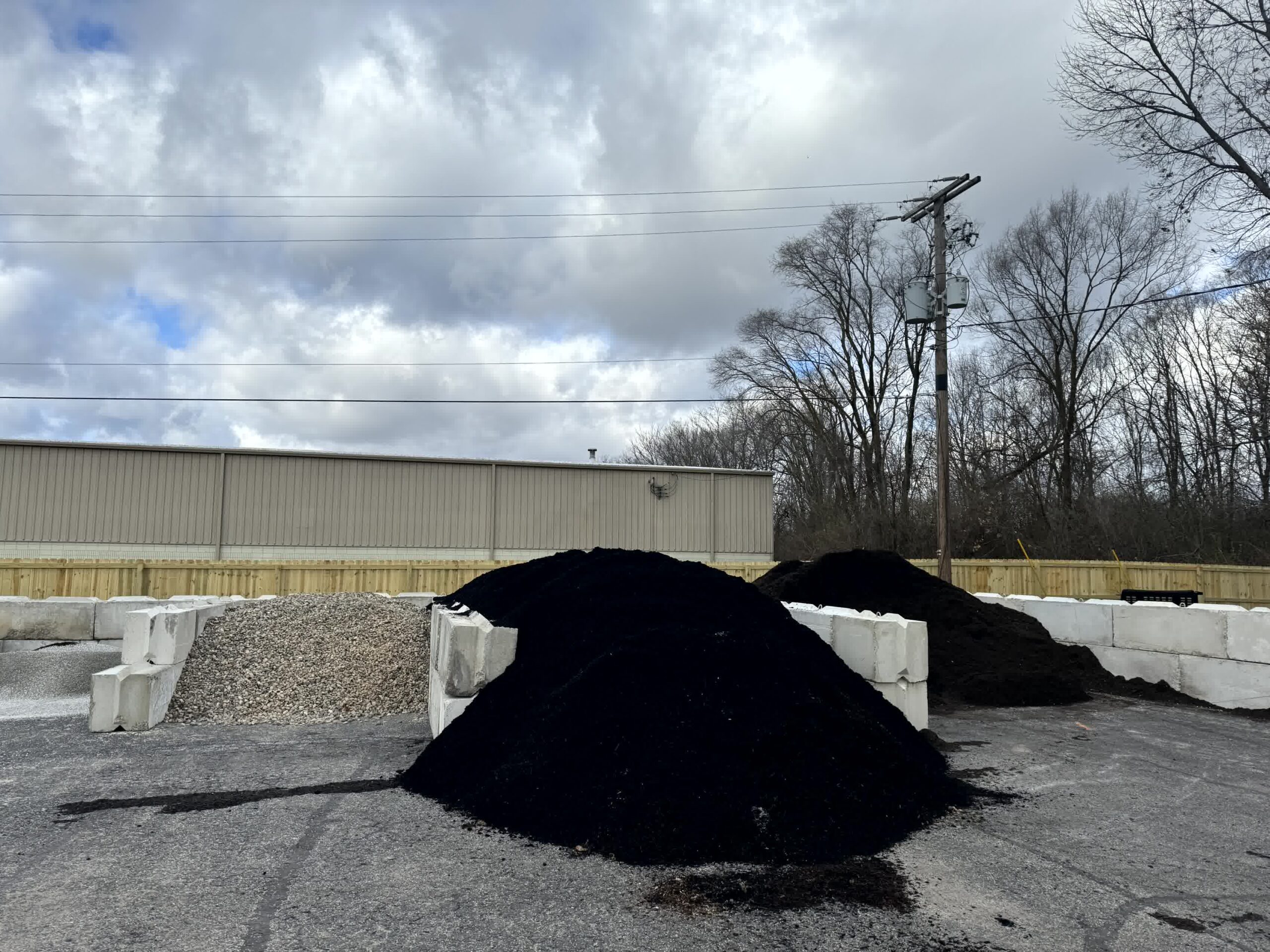
Choosing Different Types of Mulch
Organic vs. Inorganic Options
Organic mulches, such as bark chips, straw, wood chips, and compost, help nourish the soil as they break down. They improve soil structure and feed earthworms and microbes. Inorganic options—like gravel, rubber, or stones—do not decompose and therefore require less frequent replacement. They control weeds and retain moisture, though they don’t add nutrients. Your choice depends on whether you want long-term soil enrichment or a low-maintenance, static landscape element.
Match Mulch to Garden Needs
Different mulches suit different plantings and styles. Bark chips offer classic yard charm, while straw excels in vegetable gardens due to its lightweight texture and easy tillability. Pine straw is ideal on slopes, where its interlocking needles help reduce erosion. Anthracite or rubber mulches provide a striking contrast for decorative beds and are long-lasting. Consider each material’s durability, cost, aesthetics, and effect on soil when choosing for your garden.

Year-Round Mulch Maintenance
Seasonal Inspections and Repairs
Check mulch beds each spring and fall. Clear away weeds, fallen branches, and decomposing material. Inspect for thinning or erosion after heavy rainfall. Loosen compacted areas with a rake, spread new mulch if needed to maintain a depth of two to four inches, and touch up edges to preserve neat borders. Seasonal maintenance prevents problems before they arise and keeps beds in top shape.
Mulch can shift during wind or heavy rain. Installing edging, using netting on slopes, or raking mulch after storms helps keep it in place. Clean up any debris that collects, particularly near foundations or walkways. This not only improves appearance, it prevents pests and avoids mulch spreading into turf areas where it’s harder to contain.
Mulch Stability and Clean-Up
With thoughtful care, mulch does far more than just enhance curb appeal—it becomes a vital part of your landscape’s health and long-term success. A well-maintained mulch bed acts as a protective barrier for your soil, shielding plant roots from extreme temperatures while helping to retain critical moisture during hot spells or dry conditions. It also suppresses weeds before they even have a chance to emerge, reducing the need for harsh herbicides or constant hand weeding.
Whether you’re working with fresh mulch after a new installation or tending to existing beds, how you care for it determines the results you’ll see. Mulch that is too thick can suffocate roots and attract pests, while mulch that’s too thin won’t offer sufficient protection. Choosing the right mulch is just as important. Some homeowners prefer the rich, dark tones of shredded hardwood bark for a more formal look, while others opt for pine straw or wood chips for a natural, rustic feel. Inorganic options like stone or rubber may be better suited for high-traffic areas or spaces where long-term durability is key.

Conclusion
Mulch is one of the most cost-effective and efficient ways to support a thriving, beautiful landscape. When you combine the right product with smart installation and ongoing maintenance, the payoff is a yard that’s not only healthier but noticeably more vibrant. Clean, functional beds that stay protected and visually polished year-round are the result of consistent attention and informed choices. With just a little extra care, mulch transforms from a finishing touch into a foundation for long-lasting outdoor success. Get in touch with us right now to learn more about our mulch services as well as our Landscaping, Patios & Mulch services.


"*" indicates required fields