

Retaining Wall Tips for Building, Design, and Long-Term Care
Introduction: Retaining walls serve both functional and aesthetic purposes in landscaping. They hold back soil, prevent erosion, and help shape outdoor spaces into terraced, usable areas. Whether you’re a homeowner considering a weekend project or a landscape professional seeking best practices, mastering the essentials of construction, design, and ongoing maintenance is crucial. Done correctly, a retaining wall adds value and structure to any yard; done poorly, it can collapse, cause drainage issues, or degrade quickly. This guide will walk you through each phase to ensure your retaining wall stands the test of time, both visually and structurally.
Building a Strong Foundation for Your Retaining Wall
Choosing the Right Materials
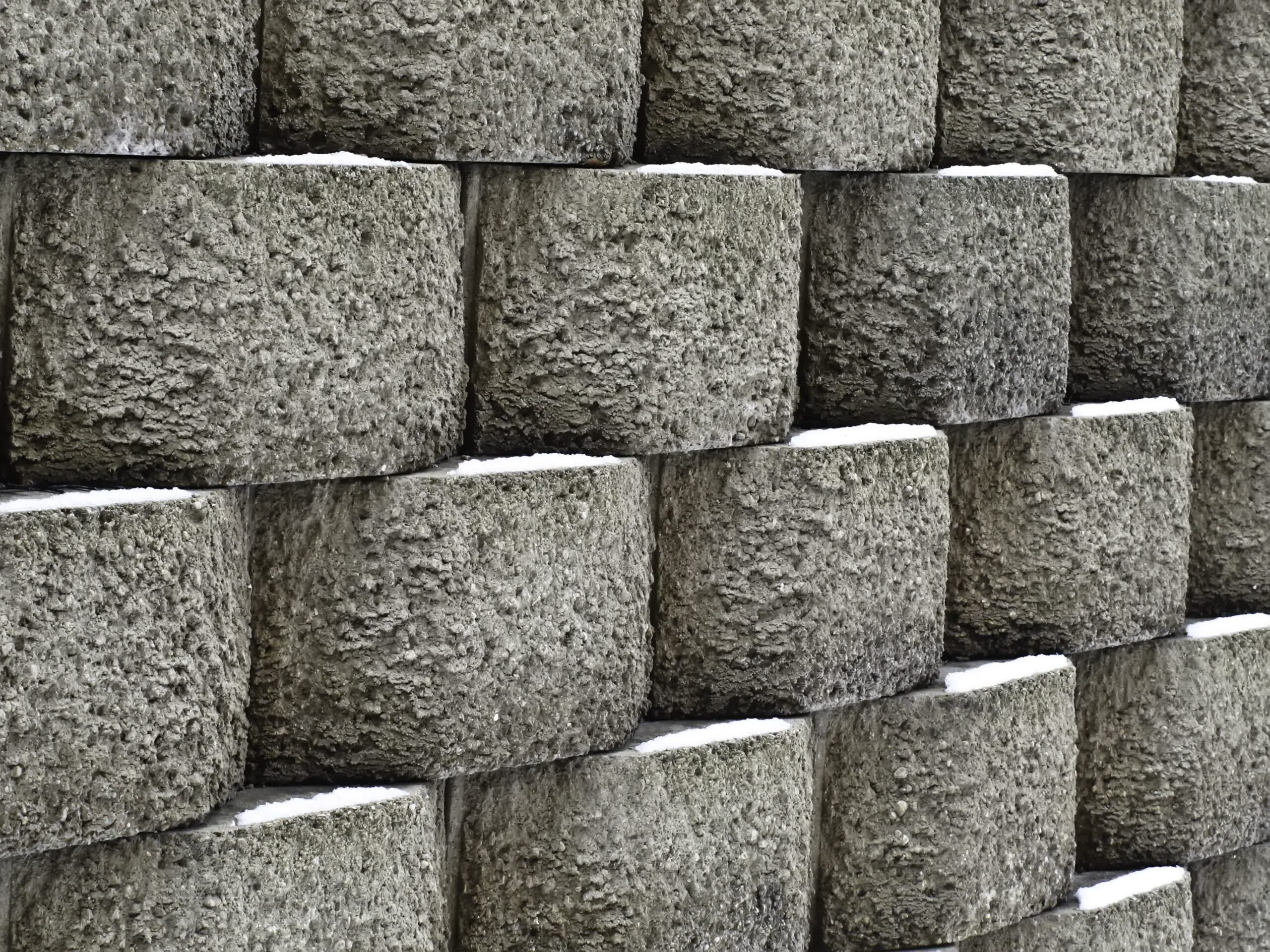
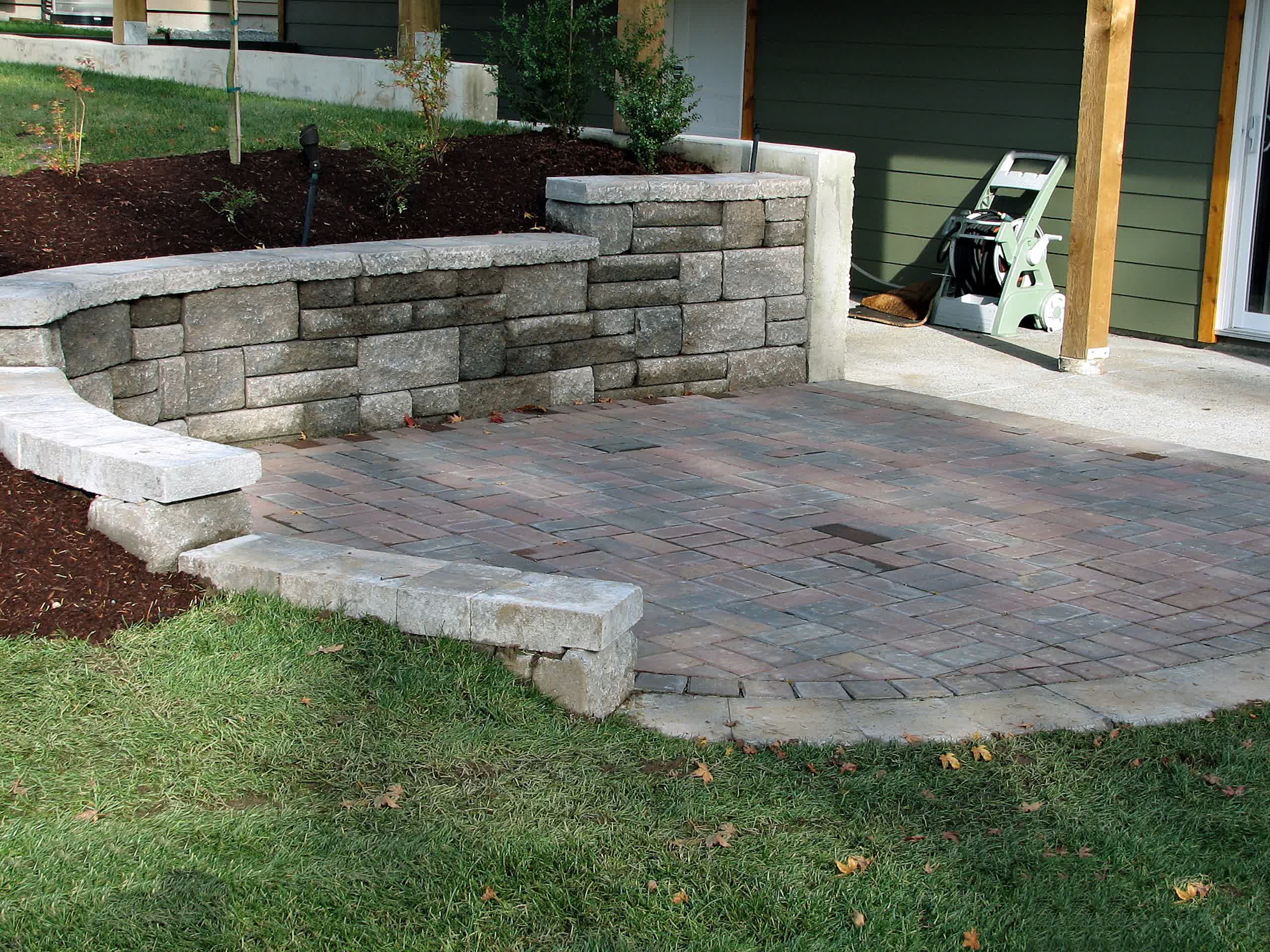
The first step in any retaining wall project is selecting the appropriate materials. Options include natural stone, concrete blocks, timber, or poured concrete. Each comes with unique strengths and challenges. Concrete blocks are popular due to their interlocking design and strength, making them ideal for DIY installations. Natural stone provides a more rustic appearance and blends seamlessly into natural landscapes, but typically requires more skill to install. The choice of material should match your design goals and be compatible with the wall’s height, purpose, and surrounding environment.
Excavation and Base Preparation
A retaining wall is only as strong as the base it sits on. Begin with a trench that extends below the frost line to avoid shifting during temperature changes. The base should be layered with compacted gravel to promote drainage and stability. This foundation is not the place to cut corners—poorly prepared bases are a leading cause of wall failure. Proper leveling ensures that your first course of blocks or stones will align correctly, making the rest of the wall easier to construct and more secure.
Smart Design Choices That Enhance Performance
Integrating Drainage Solutions
A common mistake in retaining wall construction is failing to address water drainage. When water builds up behind a wall, it exerts pressure that can eventually cause the structure to lean, crack, or collapse. Incorporating gravel backfill and perforated drain pipes along the length of the wall allows water to escape efficiently. Weep holes spaced evenly along the base of the wall provide additional outlets for trapped water. These features are critical, especially in areas with heavy rainfall or clay-rich soil.
Planning for Load and Height
Walls over four feet high typically require engineering to comply with local building codes and to handle the added pressure from soil and water. Even for shorter walls, it’s essential to consider what loads will rest above the wall, such as parked vehicles, pools, or outbuildings. Factoring in these loads will determine how thick your wall needs to be, how much reinforcement is necessary, and whether terracing might be a better solution. Ignoring these structural needs often leads to premature failure, undermining the entire landscape.
Long-Term Retaining Wall Maintenance and Repairs
Seasonal Inspections and Repairs
Over time, even the most well-built retaining wall will show signs of wear. Seasonal inspections should become part of your yard maintenance routine. Look for cracks, leaning, or displaced stones or blocks. Early intervention can prevent a small issue from becoming a major repair. Cleaning out drainage pipes and removing vegetation growing between wall joints ensures that water continues to flow away from the structure instead of building up behind it. Replacing damaged or missing components quickly helps maintain the wall’s structural integrity.
Controlling Surrounding Vegetation
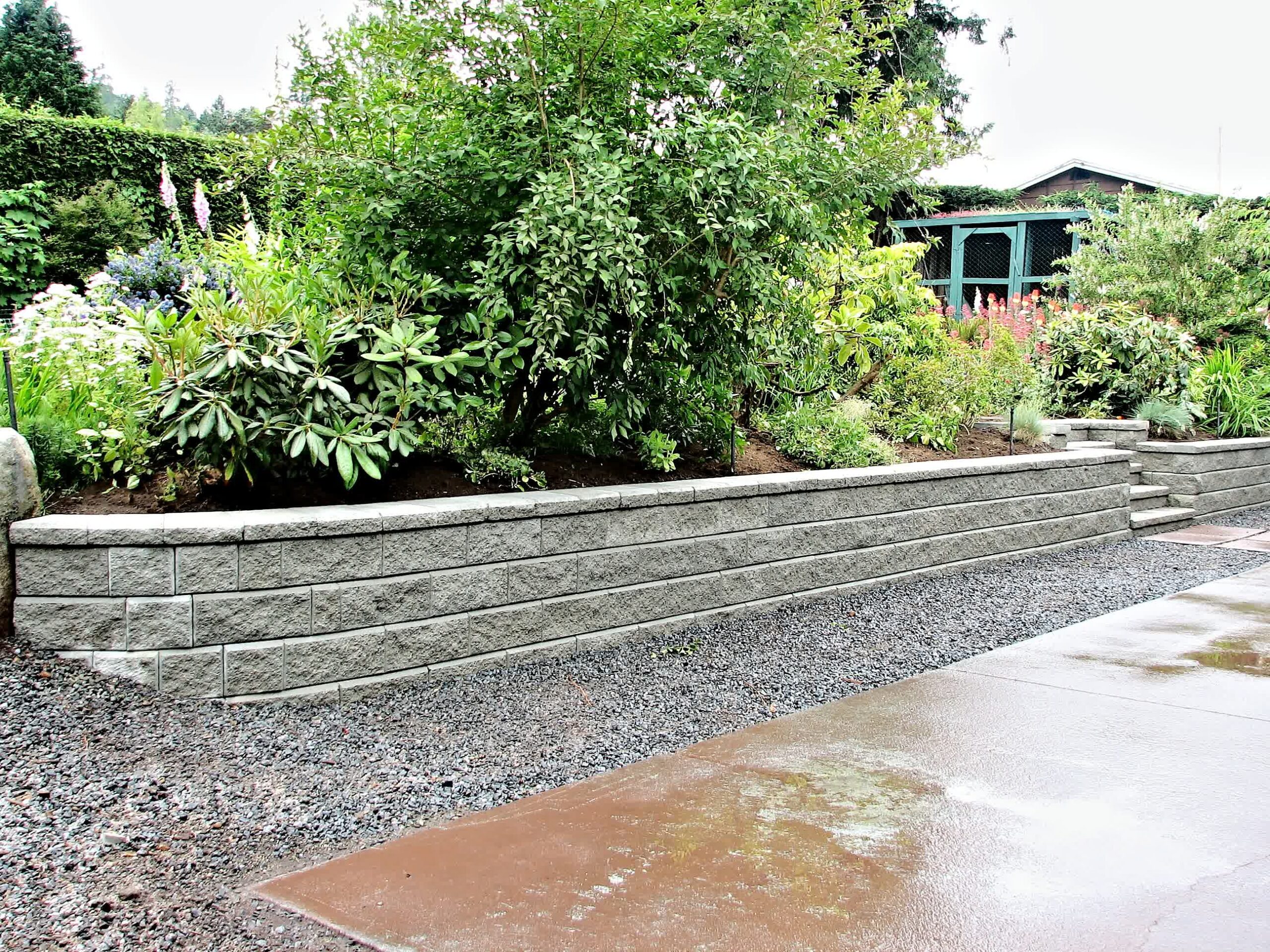
Plant life plays a role in both enhancing and threatening retaining walls. While low-root ground covers can stabilize soil and add visual appeal, larger shrubs or trees near a wall may become problematic. Roots can penetrate behind the wall and exert pressure that causes cracking or shifting. It’s best to choose plants that offer erosion control without compromising the wall’s structure. Keep vegetation trimmed and periodically remove invasive species to keep the space clean and functional. Mulching around the base can reduce weed growth and maintain moisture levels for desired plants.
Conclusion
Retaining walls offer more than just structural benefits—they define spaces, guide drainage, and elevate the beauty of your landscape. However, without proper planning, construction, and upkeep, even a minor wall can become a major issue. From selecting the right materials and preparing the base to integrating smart drainage systems and performing regular inspections, each step plays a role in extending the life of your wall. Take time to design with intention, build with precision, and maintain with care, and your retaining wall will serve your yard beautifully for years to come. Contact us to learn more about how we can meet your needs for retaining walls, landscaping, patios, and more!


"*" indicates required fields